
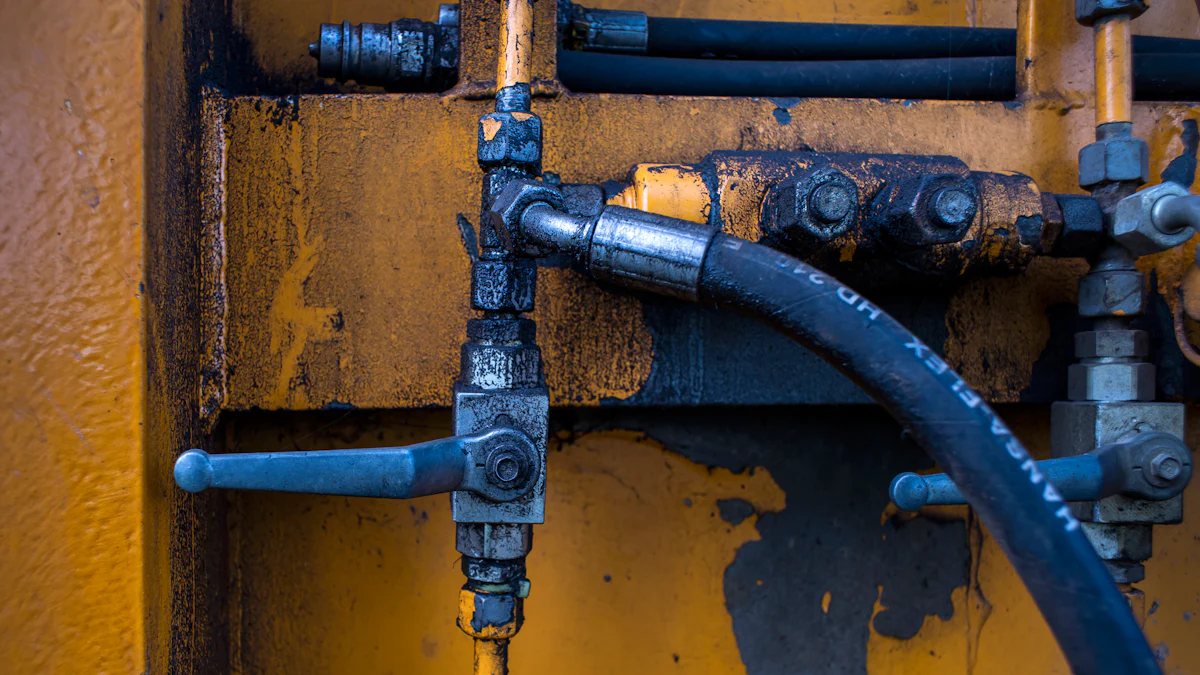
Hydraulic quick couplers play a vital role in hydraulic systems. These components allow for swift and secure connections between hydraulic lines. Understanding different types and functionalities is crucial. Each type serves specific applications and ensures system efficiency. You need to identify hydraulic couplers accurately. This guide aims to educate you on common port thread types. Proper knowledge helps in selecting the right coupler for your needs.
Understanding Hydraulic Quick Couplers
Definition and Functionality
What are Hydraulic Quick Couplers?
Hydraulic quick couplers connect hydraulic lines quickly and securely. These couplers allow for easy attachment and detachment without tools. The design of hydraulic quick couplers ensures minimal fluid loss during connection. Faster hydraulic coupler adapters enhance the efficiency of these connections. The use of faster hydraulic coupler adapters reduces downtime in operations.
How do they work?
Hydraulic quick couplers operate through a simple mechanism. Users push or twist the coupler to connect or disconnect. A locking mechanism secures the connection. This mechanism prevents leaks and ensures safety. Faster hydraulic coupler adapters streamline this process. The adapters provide a reliable seal under high pressure.
Importance in Hydraulic Systems
Role in efficiency and safety
Hydraulic quick couplers play a crucial role in system efficiency. These couplers minimize the time needed for equipment changes. Faster hydraulic coupler adapters contribute to increased productivity. Safety improves with the use of hydraulic quick couplers. The secure connections prevent accidental disconnections. Properly selected couplers reduce the risk of hydraulic fluid spills.
Common applications
Hydraulic quick couplers find use in various industries. Construction equipment often uses these couplers for attachments. Agricultural machinery benefits from hydraulic quick couplers for implements. Industrial machines rely on these couplers for efficient operation. Faster hydraulic coupler adapters enhance performance in these applications. The versatility of hydraulic quick couplers makes them essential in many fields.
Types of Hydraulic Quick Couplers
Classification by Connection Type
Threaded Couplers
Threaded couplers represent a common choice in hydraulic systems. These couplers use threads to secure connections. The design ensures a strong and reliable seal. Users must correctly identify hydraulic threads for proper installation. NPT thread types often appear in threaded couplers. Identifying hydraulic fittings involves recognizing the thread pattern. Stucchi offers a range of threaded flat face hydraulic couplers. These couplers provide durability and efficiency. Threaded flat face couplers reduce fluid leakage. The male O-ring boss thread enhances the connection’s integrity. Stucchi’s threaded flat face hydraulic couplers meet ISO standards.
Push-to-Connect Couplers
Push-to-connect couplers offer ease of use. Users connect fittings quickly without tools. The mechanism involves pushing the coupler into place. Stucchi’s push-to-connect options ensure a secure fit. Flat face hydraulic couplings improve system performance. The flat face design minimizes fluid loss. Stucchi’s push-to-connect couplers suit various applications. The design accommodates high-pressure environments. Stucchi’s products enhance hydraulic systems with reliable connections. Stucchi’s couplers include dust caps for hydraulic fittings. Dust caps protect the connection from contaminants. Stucchi’s coupler bleed tools assist in maintaining system pressure.
Classification by Material
Steel Couplers
Steel couplers provide strength and durability. Stucchi manufactures steel couplers for demanding applications. Steel couplers withstand high pressures and temperatures. The material resists wear and corrosion. Stucchi’s steel couplers feature a robust design. The couplers maintain integrity under stress. Stucchi’s steel couplers meet industry standards. The couplers ensure safety and reliability. Stucchi’s products include caps for hydraulic fittings. Caps protect the couplers from environmental damage. Stucchi’s steel couplers support efficient hydraulic systems.
Brass Couplers
Brass couplers offer versatility in hydraulic systems. Stucchi’s brass couplers provide excellent corrosion resistance. The material suits applications with varying conditions. Stucchi’s brass couplers facilitate easy installation. The couplers accommodate different hydraulic fitting types. Stucchi’s products include dust caps for added protection. Dust caps prevent debris from entering the connection. Stucchi’s brass couplers enhance system longevity. The couplers support various hydraulic quick applications. Stucchi’s brass couplers improve operational efficiency. Stucchi’s products align with ISO specifications.
Selecting the Right Hydraulic Quick Coupler
Factors to Consider
Pressure and Temperature Ratings
Couplers must match the pressure and temperature ratings of your hydraulic system. High-pressure environments demand robust couplers. Low-pressure systems require different specifications. Temperature variations affect coupler performance. Extreme temperatures can weaken materials. Accurate ratings ensure safety and efficiency.
Compatibility with Hydraulic Fluids
Hydraulic fluids vary in composition. Couplers must resist chemical reactions with these fluids. Incompatible materials lead to corrosion or leaks. Fluid type affects seal integrity. Proper selection prevents system failures. Always verify compatibility before installation.
Common Mistakes to Avoid
Overlooking Material Compatibility
Material compatibility plays a crucial role in coupler selection. Steel and brass offer different benefits. Steel provides strength for high-pressure applications. Brass offers corrosion resistance. Incorrect material choice leads to premature wear. Evaluate the environment and application needs.
Ignoring Pressure Requirements
Pressure requirements dictate coupler selection. Exceeding pressure limits causes failures. Underestimating pressure needs reduces efficiency. Accurate pressure assessment ensures optimal performance. Regularly check system pressure to avoid issues. Properly rated couplers enhance system reliability.
Troubleshooting Common Issues
Identifying Problems
Leaks and Seal Failures
Leaks often occur in hydraulic systems. Couplers may develop leaks due to worn seals. Inspect seals regularly for wear and damage. Damaged seals allow hydraulic fluid to escape. Fluid loss reduces system efficiency. Check for visible signs of leaks around couplers. Ensure all connections remain tight and secure.
Connection Difficulties
Connection difficulties arise when couplers do not fit properly. Misalignment causes problems during attachment. Examine the alignment of hydraulic components. Dirt or debris can obstruct connections. Clean couplers before each use. Proper maintenance prevents connection issues. Verify that couplers match the system specifications.
Solutions and Recommendations
Regular Maintenance Tips
Regular maintenance ensures optimal performance. Inspect hydraulic couplers frequently for signs of wear. Lubricate moving parts to reduce friction. Keep couplers clean and free from contaminants. Replace worn seals promptly to prevent leaks. Monitor pressure levels to ensure system stability. Schedule routine checks to maintain efficiency.
Replacement Guidelines
Replacement becomes necessary when couplers show significant wear. Choose replacements that match the original specifications. Consider the pressure and temperature ratings of the hydraulic system. Ensure compatibility with existing hydraulic fluids. Follow manufacturer guidelines for installation. Proper replacement extends the lifespan of hydraulic systems.
Future Trends in Hydraulic Quick Couplers
Technological Advancements
Innovations in Design
Manufacturers focus on improving couplers for better performance. Enerpac leads in creating advanced designs. New designs reduce fluid loss and enhance connection speed. Engineers develop compact couplers for space-saving solutions. Enerpac hydraulic tools integrate these innovations for efficiency. You can expect more durable materials in future designs.
Smart Couplers
Smart technology transforms hydraulic systems. Enerpac introduces smart couplers with sensors. These sensors monitor pressure and temperature. Smart couplers provide real-time data to operators. This information helps prevent system failures. Enerpac hydraulic tools use smart technology for precision. You gain control over hydraulic operations with smart features.
Environmental Considerations
Eco-friendly Materials
Environmental concerns drive material choices. Enerpac focuses on eco-friendly materials for couplers. Recyclable materials reduce environmental impact. You benefit from sustainable options in hydraulic systems. Enerpac ensures that couplers meet environmental standards. These materials maintain strength and durability.
Sustainable Practices
Sustainability becomes a priority in manufacturing. Enerpac adopts sustainable practices in production. Energy-efficient processes lower carbon footprints. You support environmental goals by choosing Enerpac products. Sustainable practices ensure long-term availability of resources. Enerpac leads the way in responsible manufacturing.
Hydraulic quick couplers play a crucial role in system efficiency and safety. Proper identification ensures the right selection for your needs. Couplers must match pressure and temperature ratings. Material compatibility prevents leaks and failures. Regular maintenance extends the lifespan of hydraulic systems. Staying informed about industry trends enhances performance. Innovations in design and smart technology improve hydraulic operations. Eco-friendly materials support sustainability. Choose couplers that align with these advancements. Your understanding of hydraulic quick couplers leads to better decision-making.


